Climate Monitoring
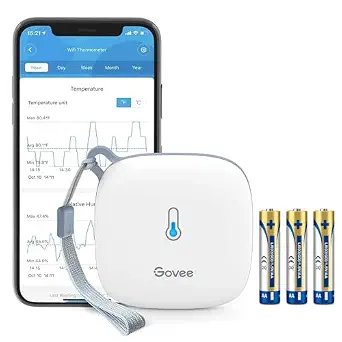
Temperature and humidity sensors help catch conditions that stress or endanger a flock — extreme heat, damp bedding that breeds bacteria, or a cold-weather draft — before they become a health problem. Remote alerts are more useful than an in-coop display if you're not checking multiple times a day.
What to look for
- Remote alerts vs. a passive display: a sensor you have to walk out and check in person defeats a lot of the convenience.
- Placement: a sensor near a heat source, draft, or direct sun will read inaccurately for the coop as a whole.
- Historical data: seeing trends over days or weeks helps catch a slow-building problem before it becomes urgent.