SPYPOINT FLEX-M Cellular Trail Camera
SPYPOINT · wildlife-cameras
$60–$80
Direct merchant link. No affiliate tracking is currently configured.
Research-based guide. Outdoor Tech Index has not hands-on tested this product.
Quick overview
Budget-minded landowners and wildlife watchers who have cellular coverage, can work within the free plan, and will maintain batteries and local storage
Potential advantages
- Low current hardware price lowers the cost of trying cellular monitoring
- A free monthly transmission allowance can cover low-traffic locations
- Dual-SIM design removes manual carrier selection
- Local microSD recording preserves more than the transmitted phone preview
Potential limitations
- A compatible microSD card and batteries may need to be purchased separately
- The camera depends on the SPYPOINT app and adequate cellular signal for remote use
- Independent testing reported motion blur, slow transmission, and no internal menu
- Outdoor Tech Index has not independently tested image quality, detection, battery life, or network reliability
What we think
The FLEX-M is attractive because the low hardware price and 100-photo free tier make cellular monitoring possible without immediately committing to a monthly bill. That value depends on a disciplined setup. It needs eight suitable batteries or an optional pack, a Class 10 microSD card, app activation, useful cellular signal, and a carefully cleared field of view. Independent measurements support treating the 28-megapixel number as interpolated and show that battery life and motion clarity change with workload. Buy it as a remote notification and scouting tool, not as a maintenance-free camera or a substitute for high-resolution local photography.
Verdict: a low-cost cellular entry point with real operating requirements
The SPYPOINT FLEX-M is a sensible first cellular trail camera for a location that already has usable LTE service and does not generate hundreds of wanted images every week. The free allowance of 100 transmitted photos per month can make the ongoing bill zero, and the current $59.99 direct sale price is unusually low for a dual-SIM cellular camera. It is especially useful for checking whether animals are using a trail, whether a gate area has activity, or whether a remote feeder needs a closer visit.
Skip it when the site has little or no cellular coverage, when critical monitoring demands a guaranteed connection, or when the goal is publication-quality image and video. The transmitted image is part of a cellular workflow, while the microSD card holds local files. It also needs batteries, storage, app activation, and periodic physical service. For a camera that will be hard to reach, plan the power and mounting system before being persuaded by the low hardware price.
Current price, data plans, and accessory cost
On August 19, 2026, SPYPOINT listed a single FLEX-M at $59.99, reduced from $79.99, and a two-camera pack at $79.99. Those are promotional prices and can change. Every camera gets 100 transmitted photos per month at no plan charge. SPYPOINT's current starter-pack listing says paid options begin at $5 per month for 250 photos and reach $15 per month for unlimited photos, with one plan per camera. A two-camera deployment therefore has two separate allowances or plans.
The camera price is not the ready-to-deploy cost. The FLEX-M needs eight compatible AA batteries or a separately sold LIT-22 pack, plus a compatible Class 10 microSD card. SPYPOINT's current setup guidance accepts 2 GB to 512 GB cards. Some bundles include 32 GB cards, but the single-camera listing should not be assumed to include one. A supported external 12-volt battery or solar accessory can extend service intervals, but add it only after measuring the location's activity, signal, and battery use.
Image claims, transmission, and what reaches the phone
SPYPOINT advertises 28-megapixel photos, 720p video with sound, a 0.4-second trigger, and a 90-foot flash and detection range. Independent Trailcampro testing describes the still resolution as interpolated, rates picture quality separately from the headline pixel count, and reports red-glow night illumination, motion blur, and slow transmission as limitations. Those findings are more useful than treating megapixels as a direct measure of detail. Subject distance, movement, light, lens cleanliness, compression, and the transmitted preview all affect what the user sees.
Use the app image as a notification and decision aid, then retrieve the microSD card when the best local file matters. Test day and night framing at the actual distance, and include a moving subject in commissioning. If identifying fine markings, license plates, or faces is essential, this wildlife camera may be the wrong tool and local laws may restrict surveillance use. The FLEX-M is designed for trail monitoring, not covert security or evidentiary capture.
Setup and app compatibility
Set up the camera at home before mounting it. Install the current SPYPOINT app on a supported iOS or Android phone, create an account, scan the camera's QR code, attach the antenna, insert a compatible microSD card, install the power source, and use the camera's format button. Then send a test photo and confirm that it appears in the correct account. The camera's preinstalled dual-SIM system selects a usable carrier, so the user does not insert a personal phone SIM or choose a carrier manually.
Take the camera to the site while it is still easy to move. SPYPOINT recommends seeking at least three signal bars and warns that weak service can increase battery use. Mount around the subject's mid-body height, aim north or south when practical to reduce direct sun, and remove nearby grass, leaves, and branches that can trigger repeatedly in wind. Run a full test with the enclosure latched, because a kitchen-table activation proves neither signal nor framing at the final tree.
Power planning and realistic service intervals
The FLEX-M accepts eight non-rechargeable alkaline or lithium AA batteries, a SPYPOINT LIT-22 rechargeable pack, or supported external 12-volt power. SPYPOINT's support material recommends matched, healthy 1.5-volt cells and notes that one weak battery can stop photo transmission. Do not mix ages, brands, chemistries, or charge states. Check the live compatibility table before using a rechargeable format other than the specified pack.
Independent Trailcampro measurements estimated about 3.3 months for a 30-photo-per-day mixed day and night workload on a set of premium lithium batteries, and about 1.9 months for a similar video workload. Those are controlled estimates, not guarantees. Cold, weak signal, repeated uploads, high event volume, night flash, video, and firmware activity can shorten service. Start with a conservative visit interval, record battery percentage and image count, and extend the interval only after the site produces its own evidence.
Failure modes, maintenance, and privacy
The failure chain often begins with the environment rather than the camera. Moving vegetation creates empty events, weak signal causes repeated connection work, a dirty lens or flash window degrades images, moisture reaches a poorly latched case, batteries sag, or a full or corrupted card interrupts storage. Low power during firmware activity can also create risk, so update and test on strong batteries before a remote deployment. Keep the gasket clean, latch the housing completely, protect external power connections, and use a security box or lock only if it does not block the antenna or detection field.
Remote cameras also create privacy and legal obligations. Aim only at property and wildlife areas you are permitted to monitor. Avoid neighboring homes, public changing areas, and places where audio capture is restricted. A low-cost cellular camera is not a life-safety monitor. If it watches livestock water, a gate, or equipment, keep a physical inspection schedule because no received image proves the entire system is safe.
Alternatives and buying decision
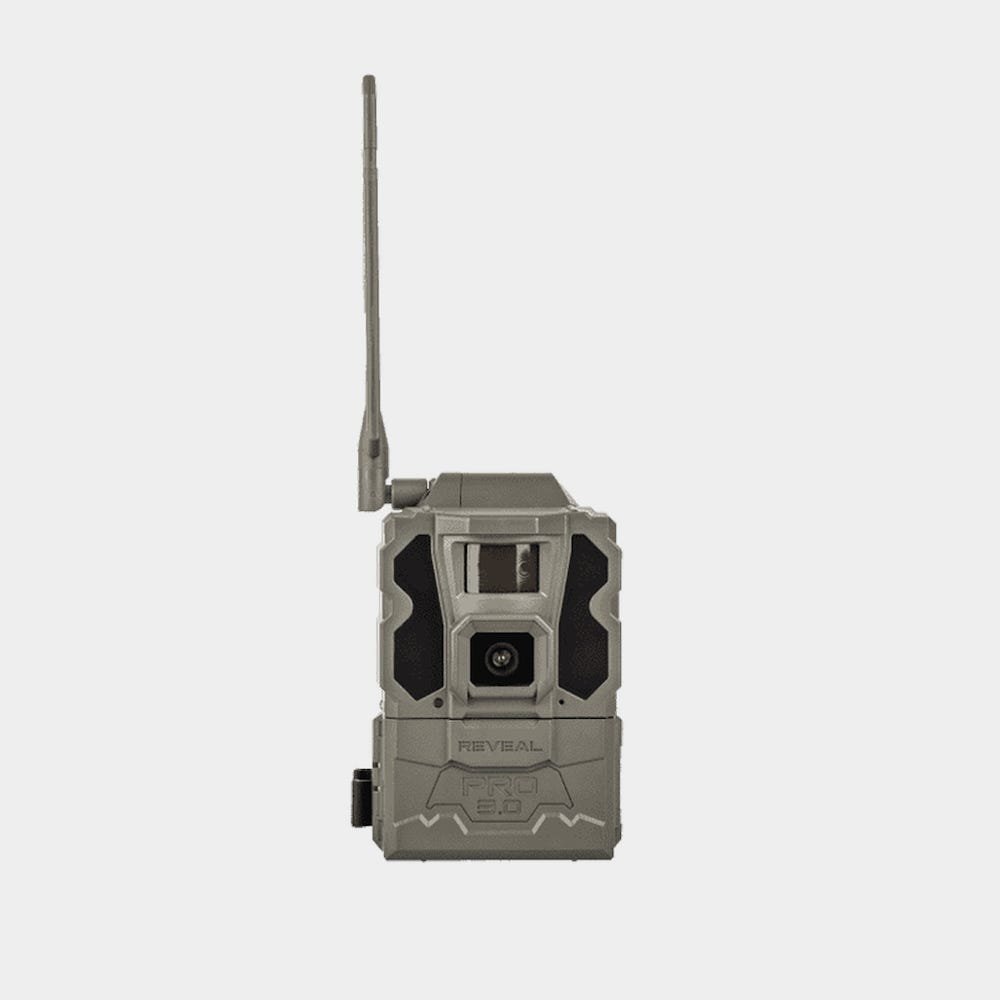
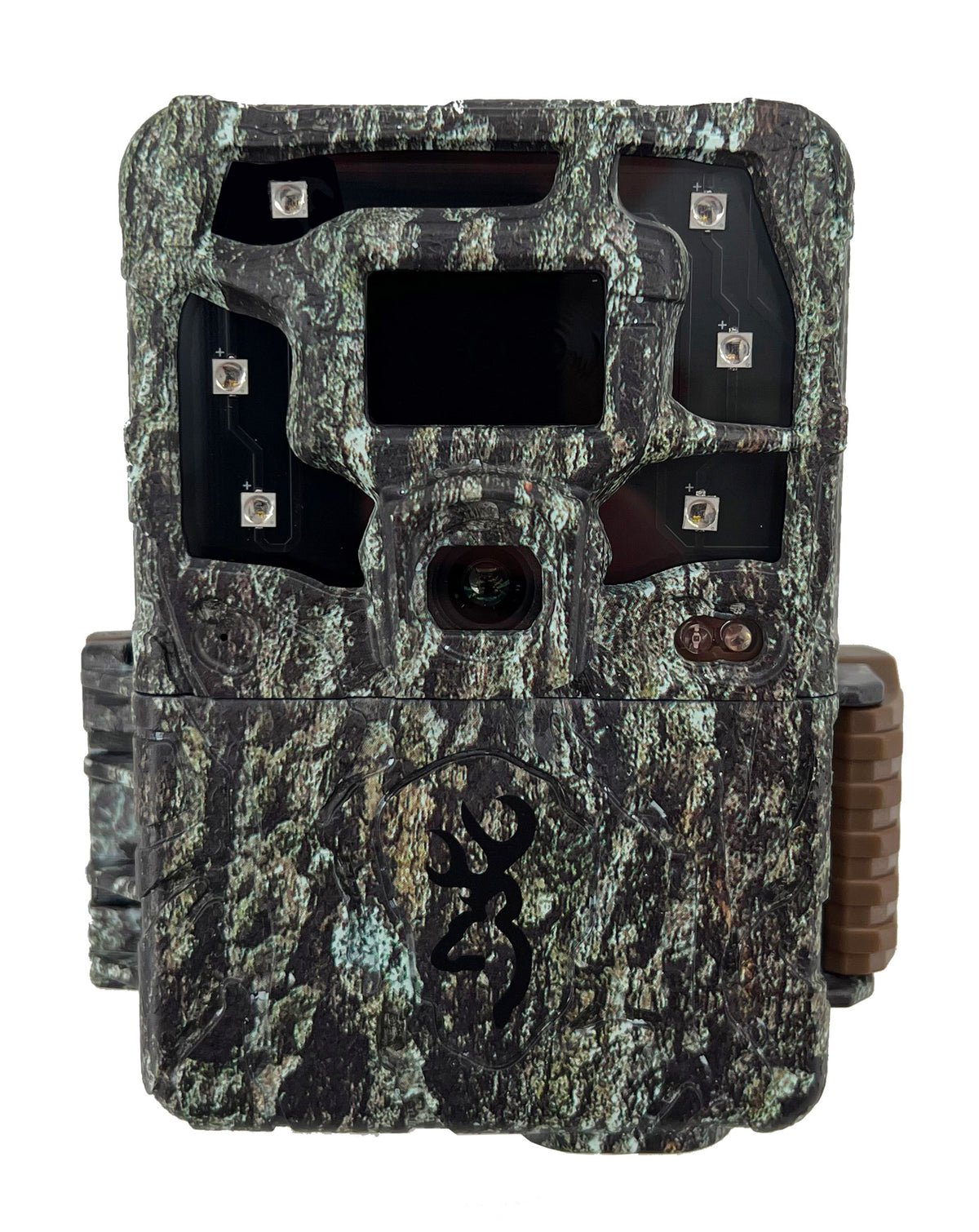
The Tactacam REVEAL X-Pro 3.0 already covered by Outdoor Tech Index is a closer comparison when a buyer is willing to spend more for a different app and plan ecosystem. The Browning Strike Force Pro X 1080 is the no-subscription alternative for sites that can be visited to retrieve a card and do not need cellular alerts. Within SPYPOINT's own line, the FLEX-S adds integrated solar assistance, while newer FLEX variants can raise resolution, power capacity, or other capabilities at a higher price.
Choose FLEX-M when the free 100-photo tier fits expected traffic, local cellular signal is proven, and the owner can service eight batteries and a microSD card. Choose a conventional camera when recurring data management is unwanted. Choose a solar or larger-battery model when visits are difficult. Compare plan cost per camera, transmitted-photo limits, local file quality, trigger and recovery behavior, night flash type, app reliability, external power compatibility, mounting security, and warranty before comparing headline megapixels.
Key features
28-megapixel interpolated photos and 720p video with sound
0.4-second advertised trigger and 90-foot flash and detection range
Dual-SIM cellular connection that selects an available national carrier
Photo, video, time-lapse, and Time-Lapse+ capture modes
Eight-AA, LIT-22, or supported external 12-volt power options
SPYPOINT app setup with 100 free transmitted photos per month per camera
Quick Facts
Who It's For
Budget-minded landowners and wildlife watchers who have cellular coverage, can work within the free plan, and will maintain batteries and local storage
Who Should Skip It
Anyone for whom this is a dealbreaker: a compatible microSD card and batteries may need to be purchased separately
How to get started
A FLEX-M deployment needs more than a tree and a strap. Build the system around local cellular signal, matched power, a formatted microSD card, app access, a controlled field of view, weather protection, privacy, and a service schedule based on actual traffic.
1. Inventory storage and power
Confirm the single-camera package contents rather than assuming a bundle description applies. Obtain a compatible Class 10 microSD card and eight matched approved AA batteries or a supported pack. Label the deployment date and keep a second tested power set for the first service visit.
2. Activate and update at home
Install the current SPYPOINT app, create the account, scan the camera QR code, attach the antenna, insert the card and power, and format the card with the camera control. Complete any update on strong power, then create and receive a test image before leaving.
3. Prove signal before fixing the mount
At the site, check the camera's signal indication and move or reorient it until reception is useful. SPYPOINT recommends at least three bars where possible. Do not lock a camera to a convenient tree at the bottom of a valley if a nearby position gives a much healthier link.
4. Frame a controlled detection lane
Mount near subject mid-body height, aim north or south when practical, and remove nearby moving vegetation. Walk through the zone at expected distances during day and low light. Check both local files and transmitted images instead of judging framing from the housing angle.
5. Start with conservative settings
Use moderate sensitivity, a practical capture interval, and photo mode until the site's traffic and battery behavior are known. Time-Lapse+ can cover areas beyond the motion zone but creates more files. A paid plan should solve a proven transmission need, not compensate for avoidable false triggers.
6. Establish a measured service interval
Return early after the first deployment. Record battery status, signal, image count, false-event rate, storage use, gasket condition, lens cleanliness, and mounting shift. Shorten or extend the next interval from that evidence. Keep a physical visit routine for any livestock, gate, or equipment the camera observes.
Build the system around this product
Verified LTE signal at the exact site
Supports remote transmission without wasting battery on repeated attempts from a poor location.
Eight matched AA cells or LIT-22 pack
Provides a known power baseline without mixing battery age, type, or state.
Class 10 microSD card
Stores local files and supports the camera workflow even when a phone preview is delayed.
SPYPOINT app account and plan
Activates the camera, manages settings, and matches transmission volume to the free or paid allowance.
Stable mount and cleared detection zone
Holds the aim through weather and reduces false events from grass, leaves, and moving branches.
Documented service and privacy boundary
Schedules battery and lens checks while keeping the field of view on property the owner may monitor.
Before you rely on it
- The app receives a real test from the final site.
- The camera has useful signal and a formatted card.
- Power cells match and battery status is recorded.
- The detection lane is clear of moving vegetation.
- The view stays within a lawful and respectful boundary.
- A physical service date is scheduled even if the camera keeps transmitting.
Frequently asked questions
+Does the SPYPOINT FLEX-M require a subscription?
No paid plan is required for the current free allowance of 100 transmitted photos per month per camera. Higher transmission volumes use a paid per-camera plan.
+What else must I buy?
Plan on eight compatible AA batteries or an optional LIT-22 pack and a compatible Class 10 microSD card. Do not assume the single-camera box includes a card.
+Does it need Wi-Fi?
No. Remote transmission uses the camera's cellular connection, while setup and management use the SPYPOINT app. The site still needs usable cellular coverage.
+Will the 28-megapixel images look like a 28-megapixel dedicated camera?
Not necessarily. Independent testing identifies the resolution as interpolated, and motion, light, compression, subject distance, and the transmitted preview all affect useful detail.
+Can I use it as a security camera?
It can notify you about activity, but it is not a guaranteed security or life-safety system. Cellular delay, battery state, storage, signal, field of view, and local privacy laws all matter.